Prepare an Apparel Sample Set That Represents the Offered Lot
Show buyers a useful cross-section of excess apparel without allowing a small sample set to imply a complete inspection.
Nov 07, 2026 · Jenny Parker · 4 min read
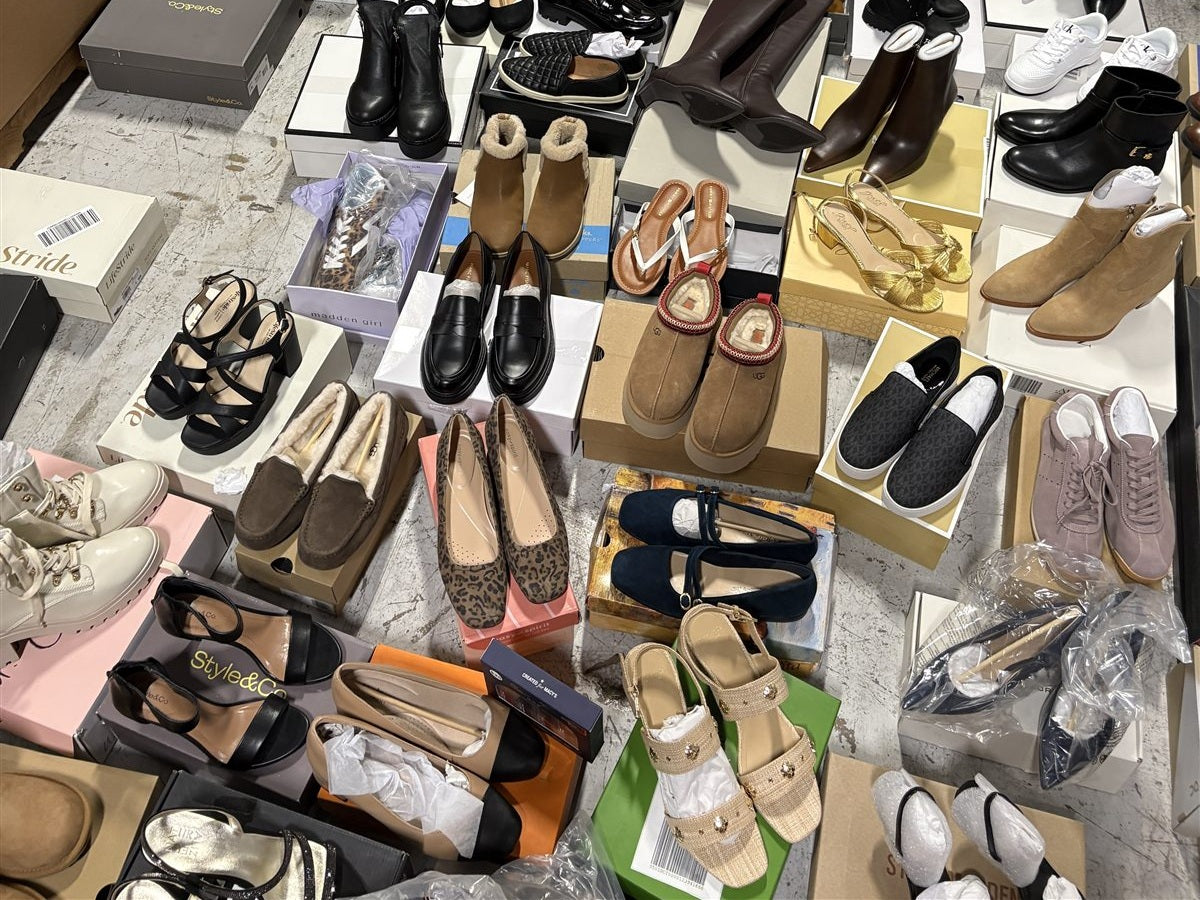
Agree what the sample is meant to answer
Before pulling garments from stock, ask what the buyer needs to evaluate. They may want to understand construction, category mix, labeled sizing, packaging or a known condition issue. Different questions call for different sample selections. State the purpose in a short note and distinguish a product-reference sample from a sample drawn to show the offered stock. A clean retained showroom garment can explain a design, but it cannot establish the condition of cartons in a warehouse. Make that distinction before anyone relies on the sample.
Select from the actual lot where appropriate
Use the current inventory file to identify the groups that need representation. Consider styles, colors, conditions and storage locations relevant to the stated purpose. Document how the selection was made rather than describing a hand-picked group as random. If you cannot access all parts of the stock, say so. A sample from the front carton should not silently stand in for several inaccessible pallets. The selection method is part of the evidence, and its limitations should travel with the garments or photographs you send.
Keep identity visible through the handoff
Assign a sample reference to each item and connect it to the inventory row, original storage location and lot version. Use a removable method that does not damage or misrepresent the product. Record labeled size and observed condition at the time of selection. Photograph the sample group and its reference list before dispatch or inspection. This helps the buyer ask a precise question about a particular piece and helps the warehouse return it to the correct group if it comes back.
Include known variation rather than hiding it
If a lot contains several condition groups or packaging differences, decide which variations the sample should show and explain any omissions. Do not present the best pieces as though they establish the average condition of all stock. A sample can illustrate an issue, but one example does not establish its frequency across an uninspected balance. Keep the actual inspection data separate from the sample narrative. If the buyer wants a different selection or a wider inspection scope, agree that process rather than silently expanding what the original sample supposedly proves.
Control the movement of sampled stock
Record whether a sample is removed from available sale quantity, reserved temporarily or drawn from an already excluded group. Keep that treatment consistent with the warehouse system. Agree who holds the samples, how they will be used and whether they are to be returned, retained or otherwise handled under the transaction’s terms. Do not make unapproved assumptions about shipping charges or ownership. A small sample movement can still create a reconciliation issue if the final manifest includes pieces that are no longer in the lot.
Capture feedback as questions and findings
Ask the buyer to reference the specific sample when commenting on size, condition or presentation. Separate an observation about one piece from a conclusion about the whole stock. Where feedback reveals a potential mismatch, review the related group and update the inventory description if needed. Retain the original selection record so the team can see whether a later concern relates to that sample or to different goods. This avoids turning a useful early evaluation into a vague memory that everyone interprets differently.
Finish with a sample reconciliation
Before confirming the lot, check the number and status of samples, any agreed stock adjustment and any changes prompted by the review. Link the final sample note to the accepted inventory version. Record what the buyer evaluated and what remains uninspected without claiming blanket approval. A reliable sample set does not need to be large or polished. It needs a clear purpose, honest selection method, traceable identity and a precise account of the limits of what it shows.
Discuss the next inventory project
If you have excess apparel, footwear or accessories to review, share the category, current quantity, condition information and warehouse location with John on WhatsApp. Include a current lot reference and the practical constraints so the next discussion begins with a clear, specific stock description.
Turn dead stock into working capital.
Tell us what you have. You get a firm offer within 24 hours.