Build an Exception Workflow for Mixed Apparel Returns
Keep mixed returns traceable from intake to offer by separating known findings, unresolved items and goods approved for the proposed lot.
Nov 06, 2026 · Jenny Parker · 4 min read
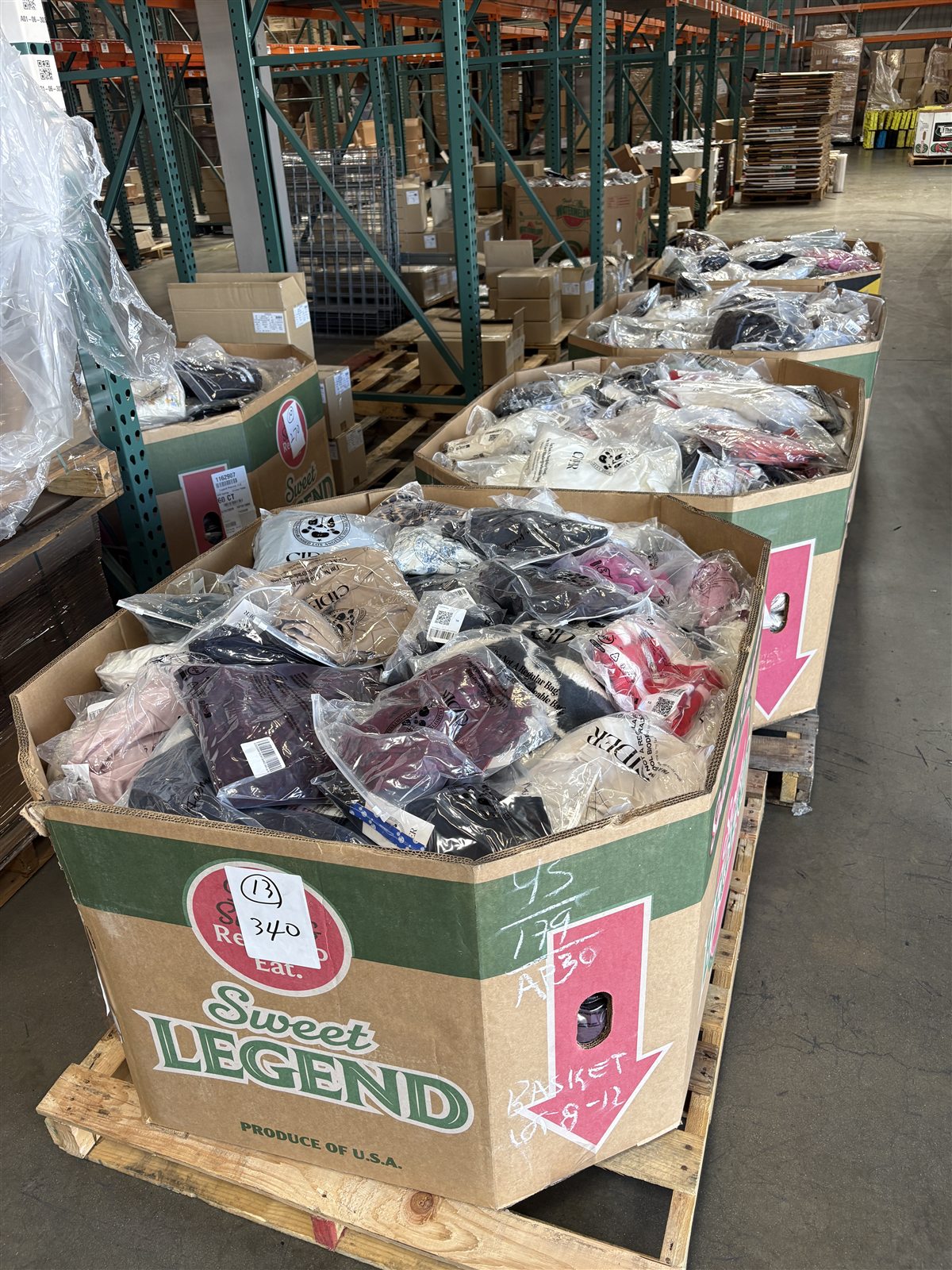
Define the boundary of the returns project
Mixed returns become difficult to describe when intake, inspection and sales activity happen at the same time without a common reference. Start by defining the group being reviewed and assigning a batch identifier. Record the source, receipt date, starting quantity basis and storage location. Keep unopened or uninspected returns distinct from items already reviewed. This workflow is about maintaining traceability and making honest stock descriptions. It does not establish that a returned product is suitable for a particular resale channel or replace a required specialist assessment.
Create clear intake states
Use a few operational states that the team can apply consistently: awaiting review, reviewed for the stated checks, unresolved exception and excluded from the proposed lot. Add separate condition descriptions rather than making a workflow state double as a quality grade. An item can be reviewed and still have a documented defect. Conversely, an unopened return should not enter an approved group simply because its outer packaging appears undamaged. Label storage areas and connect each movement to the batch reference so the status remains understandable outside the inspection station.
Decide what an ordinary review includes
Write down the observations the team is expected to make, such as product identity, labeled size, visible condition, component presence and packaging. Include category-specific checks only where the team has an appropriate process. Record checks not performed and route uncertain or unsuitable items to the designated exception owner. Do not ask staff to guess whether an issue is acceptable for resale. A limited review described accurately is more useful than a broad “checked” label that different people interpret in different ways.
Keep exceptions separate from routine decisions
Give an exception a reference, observed issue, quantity, location and next action. Avoid vague notes such as “problem stock” that force the next person to repeat the entire inspection. If personal information or unrelated customer paperwork is present, follow the business’s approved handling process and keep it out of photographs and buyer files. Do not circulate original return labels as evidence of product condition. Where a product raises an unresolved suitability concern, keep it out of an ordinary saleable lot until the appropriate person determines the next step.
Assign ownership and a stop point
Name the person who can resolve each type of exception and define how unresolved items will be held. Set a review point so cartons do not move endlessly between workstations. Some issues can be resolved with existing product records; others may require more information or an exclusion decision. Keep the decision and its basis in the log. Do not relabel an unresolved item as acceptable merely to complete the count. The purpose is a controlled outcome, not a worksheet that contains no open questions.
Reconcile the batch before offering it
Compare the starting intake figure with reviewed stock, open exceptions and exclusions. Investigate count differences and explain the basis of any estimate. If the batch was sampled rather than completely reviewed, state the selection method, scope and limitations. Do not extrapolate a clean inspected subset into a guarantee about unopened goods. Keep physical groups aligned with the summary you share. A buyer should be able to understand whether exceptions are separated, mixed into cartons or excluded from the proposed transaction.
Prepare the buyer-facing summary
Provide the batch reference, categories, quantities, inspection scope, observed condition groups and material limitations. Use representative images tied to references and avoid unsupported statements about the likely resale outcome. Confirm what goods can be released and what remains pending. Preserve the final file version with the inspection and movement log. A good exception workflow does not make every return perfect. It gives the seller a coherent account of what was received, what was checked and what is actually being offered.
Start a lot-specific conversation
For a discussion about your excess apparel, share the current category and quantity summary, condition scope and warehouse location with John on WhatsApp. Include the relevant inventory reference and unresolved points so the discussion is based on the goods and terms actually available.
Turn dead stock into working capital.
Tell us what you have. You get a firm offer within 24 hours.