Prevent Double Selling: An Apparel Overstock Reservation Workflow
Keep quoted, reserved and released apparel separate with a practical reservation register. Learn how to assign ownership, set expiry times and reconcile changes before the wareh...
Nov 10, 2026 · Jenny Parker · 4 min read
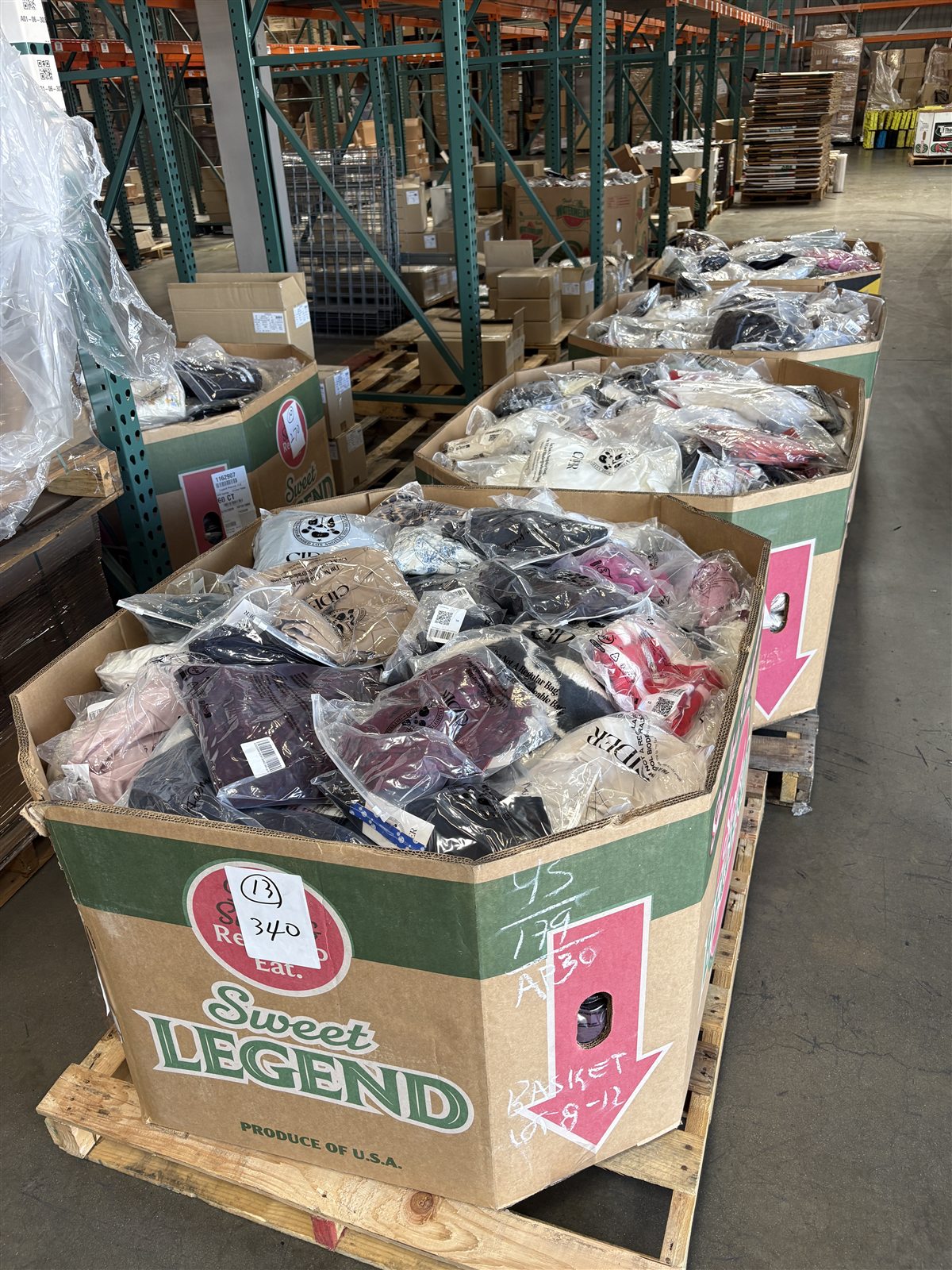
A quote is not a stock reservation
When several buyers review the same excess apparel, a promising conversation can be mistaken for a commitment. One salesperson may offer the full assortment while another has already promised selected sizes. The warehouse then receives conflicting instructions. A reservation workflow gives commercial and warehouse teams a shared answer to a simple question: which units are still available? Build the process around identifiable stock and recorded decisions, not assumptions about how close a buyer seems to accepting an offer.
Define the stock statuses before opening discussions
Use distinct statuses for available, under review, reserved and released inventory. Under review should mean that a buyer has information, not that the stock is unavailable to everyone else. Define who can create a reservation and what evidence is required. A reservation might follow written agreement on specified quantities and conditions, but the business must choose its own commercial rules. Avoid treating these internal labels as substitutes for the actual agreement. Explain their meaning to everyone who updates the stock file.
Reserve at the level the warehouse can identify
Connect each reservation to the style, color, size and location that will actually be picked. A total quantity alone is inadequate when two buyers want the same remaining sizes. For mixed cartons that cannot be split without sorting, identify the whole carton and state that constraint. Keep uninspected or disputed units outside the confirmed available balance. If stock is held at multiple facilities, distinguish those quantities rather than allowing a single reservation to imply that all locations can release together.
Create a small, controlled reservation register
Record the inventory reference, buyer reference, reserved quantity, owner, creation time, expiration time and current status. Link to the inventory file version supporting the commitment. Store buyer contact details in the appropriate controlled system rather than copying private information into every warehouse worksheet. One accountable owner should approve changes, even when several people can view the register. A shared file can work if updates are controlled; adding another tool will not resolve unclear responsibility or competing copies of the same stock position.
Use expiration times that everyone can interpret
Write the expiration as a date, time and time zone. Avoid vague notes such as hold until tomorrow when the buyer, salesperson and warehouse operate in different locations. Before expiry, the owner should confirm whether the reservation will be extended, converted or released. Record any extension rather than silently editing away the history. Do not automatically release stock where an agreed commitment still applies. The operational deadline should follow the commercial arrangement, with unresolved questions escalated before anyone offers the same units again.
Reconcile changes before sending picking instructions
Returns, recounts, damaged packaging and sample withdrawals can change the available balance during negotiations. Record the reason and affected references, then check whether an existing reservation is impacted. For a hypothetical planning example, a reservation for forty units cannot remain unchanged after a verified recount finds only thirty-eight eligible units. That difference needs an explicit decision, not an invisible spreadsheet adjustment. Tell the buyer what changed and obtain any required agreement before issuing a final warehouse instruction. Never substitute sizes or condition grades without authorization.
Make the warehouse handoff unambiguous
Send one approved picking instruction with the reservation reference, exact quantities, relevant conditions and the person authorized to resolve discrepancies. Ask the warehouse to report unavailable units before preparing substitutes. Once goods are picked, keep them identifiable and prevent them from returning to the general available balance by mistake. Record partial releases separately so the unshipped remainder remains traceable. Confirm the actual release against the reservation and preserve the supporting record; a prepared carton is not necessarily the same as a completed handoff.
Run a short availability check before every new offer
Review active reservations, approaching expirations, unresolved discrepancies and recently released inventory before circulating another stock list. Mark the file with its update time and avoid presenting an older export as a live availability guarantee. If the balance is uncertain, state that confirmation is pending. For a new excess-apparel discussion, share a current inventory summary with Off Fashion, including any existing holds and the quantities genuinely available. Clear reservation boundaries help a buyer evaluate the offer without implying that acceptance, pricing or collection is guaranteed.
Turn dead stock into working capital.
Tell us what you have. You get a firm offer within 24 hours.