After an Apparel Overstock Sale: Close the Lot and Improve the Next One
A post-sale checklist for reconciling released stock, resolving open exceptions and making the next excess-inventory project easier to execute.
Nov 09, 2026 · Jenny Parker · 4 min read
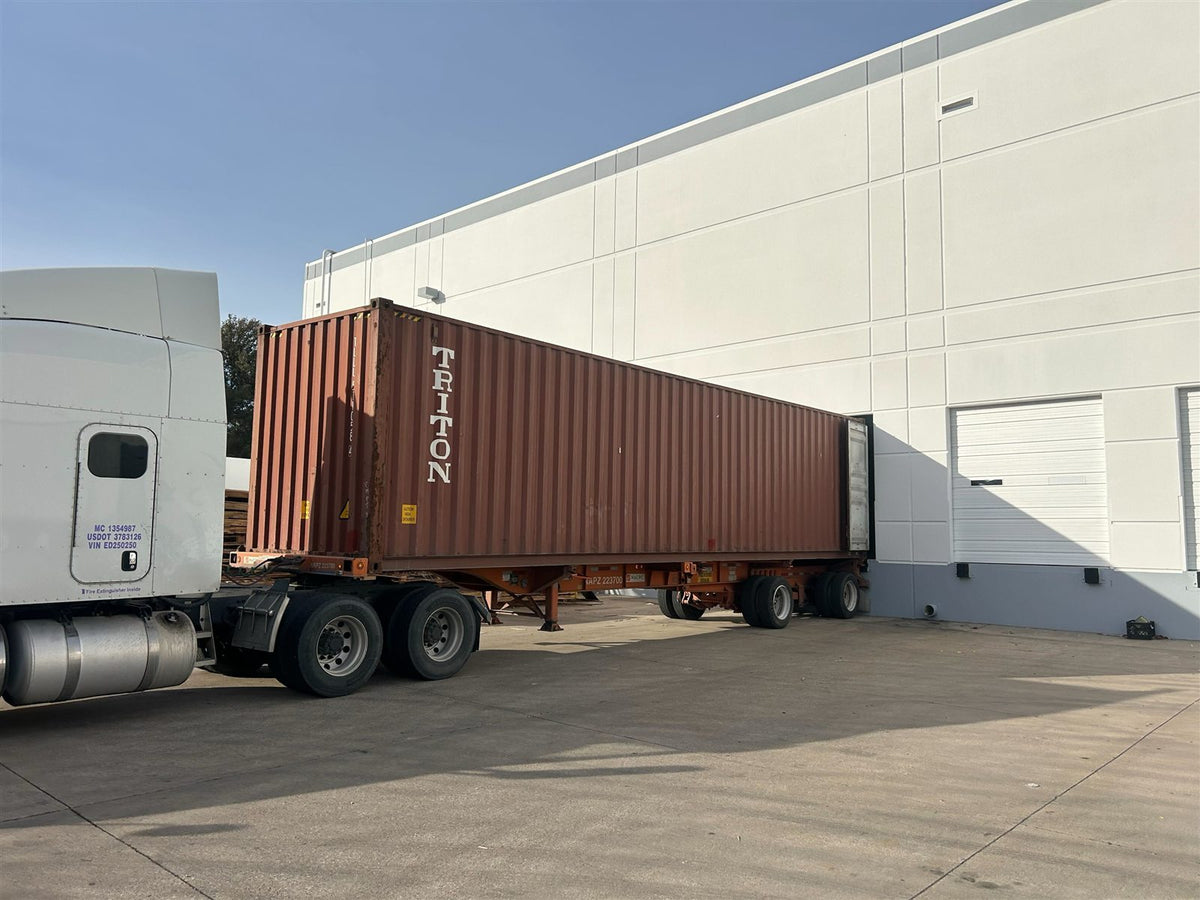
Define closure beyond the pickup date
A truck leaving the warehouse is an important event, but it does not necessarily close every part of an apparel overstock transaction. Stock records, documents, payment checks and exceptions may still need attention. Assign a person to coordinate the closeout and identify the records required under the agreed process. Keep the task bounded to the specific lot. The aim is to leave a reliable account of what was offered, what was released and what remains unresolved, rather than assuming the commercial team and warehouse have already reconciled independently.
Reconcile the physical release with the inventory file
Compare the accepted lot version, final manifest and actual release record. Identify any cartons left behind, quantity adjustments, samples or exclusions that changed the final position. Update available inventory through the business’s normal process so goods already released cannot be offered again. Do not simply delete the old spreadsheet; preserve it as the version supporting the transaction. If a count is still under review, keep that exception separate from the confirmed release total rather than forcing the documents to appear identical.
Bring remaining stock back into a visible decision
A partial sale can leave a remainder that differs materially from the original lot. Review its current size mix, categories, condition and packing. Give it a new or clearly revised reference and identify its next action. Avoid leaving it on an old file that still contains sold goods. If unresolved or excluded items remain, keep their location and owner visible. Closing one transaction should not make the leftover stock disappear administratively. A small, well-described residual group is easier to plan than an unexplained balance in a discontinued project folder.
Track open transaction questions in one place
Record outstanding documents, commercial questions and reported discrepancies with a responsible owner and next step. Distinguish a reported issue from a verified finding, and keep the supporting evidence with the lot reference. Use the agreed transaction process for resolution rather than inventing a new remedy after the fact. Keep sensitive financial or personal information limited to the people who need it. The closeout log should help the team act, not become a broad archive of private details copied into every operational worksheet.
Archive the evidence as a usable package
Keep the accepted inventory version, final lot description, agreed requirements, relevant correspondence, photo index and release evidence together. Apply the business’s access and retention practices rather than sharing the folder indiscriminately. Give the package a clear name and identify which file is final. Preserve important earlier versions where they explain a change. Someone reviewing the transaction later should be able to follow the sequence without relying on the memory of the person who negotiated it or searching through several unrelated message threads.
Review the process without inventing a success metric
Hold a short review with commercial and warehouse participants. Ask which information was missing, which preparation work had to be repeated and which handoff created uncertainty. Use actual recorded effort and timing if available. If the business did not measure something, describe the observation qualitatively rather than manufacturing a recovery percentage or time-saving claim. Separate issues caused by this specific lot from recurring process gaps. Choose a small number of concrete improvements that the team can realistically apply to the next inventory project.
Turn lessons into the next working checklist
Update the relevant template, not just the meeting notes. A recurring identity mismatch may call for a new product-reference field; repeated loading questions may call for a better pickup brief. Assign an owner to each change and keep the checklist concise enough to be used. Close the lot when confirmed records are reconciled and remaining exceptions have an accountable route forward. A disciplined closeout gives the next seller project a better starting point without pretending that every transaction can be made identical.
Discuss the next inventory project
If you have excess apparel, footwear or accessories to review, share the category, current quantity, condition information and warehouse location with John on WhatsApp. Include a current lot reference and the practical constraints so the next discussion begins with a clear, specific stock description.
Turn dead stock into working capital.
Tell us what you have. You get a firm offer within 24 hours.