How to Build a Condition Grading Standard for Apparel Overstock
A practical guide to defining apparel condition grades, checking a sample and separating exceptions before presenting excess stock to a buyer.
Oct 27, 2026 · Jenny Parker · 3 min read
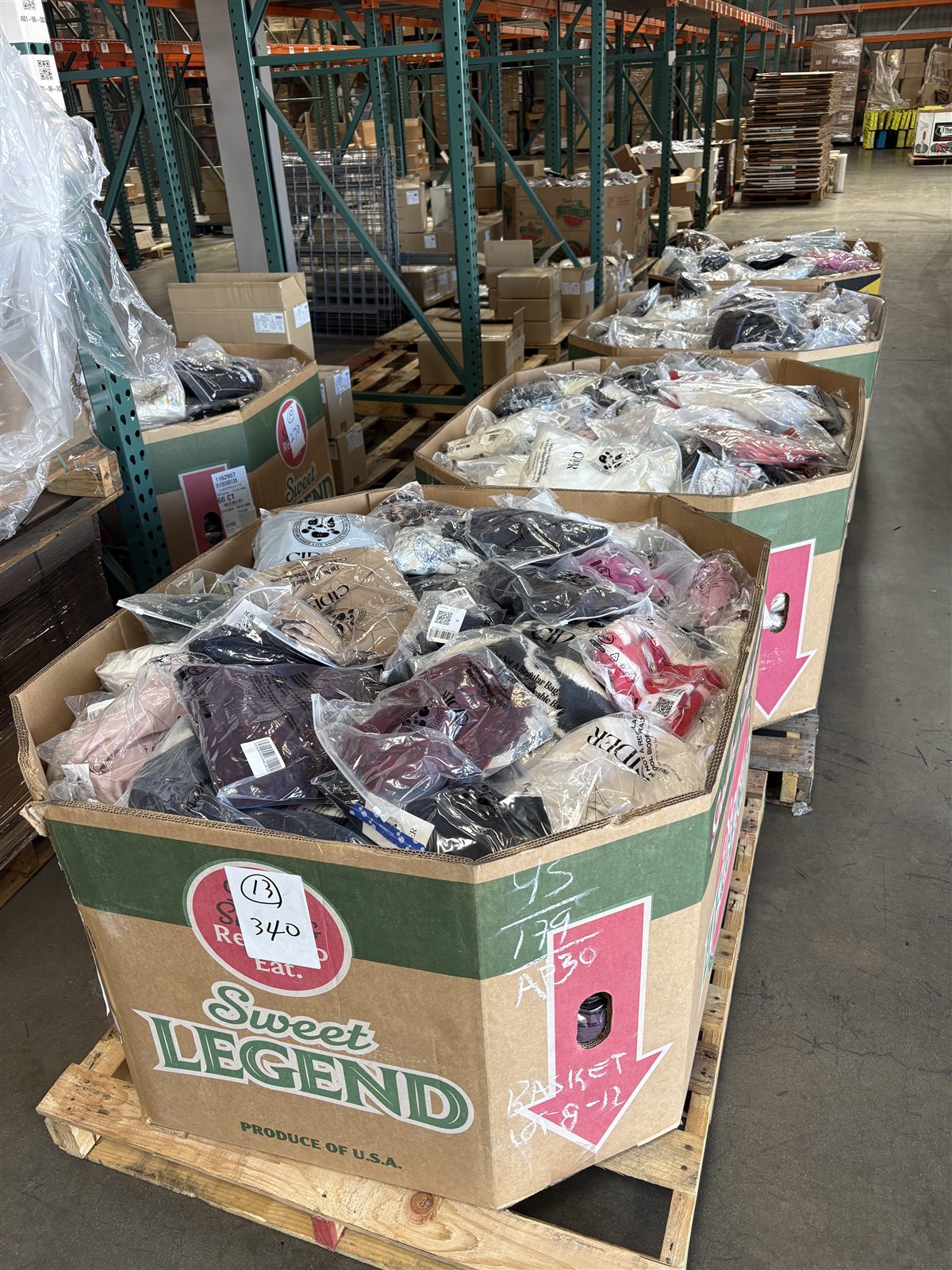
A carton marked “good condition” can mean very different things to a warehouse supervisor, a finance team and an off-price buyer. Before you offer excess apparel, turn that phrase into a standard that someone else can apply. A useful grading system describes what was checked, what the buyer can expect and what remains uncertain. It is not a promise that every garment is identical.
The goal is a repeatable handoff. Your inventory list, photographs and physical cartons should tell the same story. Use the following process to create a working standard without turning an overstock sale into an open-ended inspection project.
Start with observable condition, not a sales label
Define each grade using features a person can see or check. For new tagged goods, record whether the original hangtag, care label and retail packaging are present. For new untagged goods, distinguish a missing hangtag from a missing sewn-in label. These are different issues and should not disappear inside one broad description.
For returns, describe the inspection rather than assuming that a returned garment is unworn. A checked return and an unopened customer return belong in different reporting groups. Keep known defects separate from uncertainty. “Uninspected” means you do not know the condition; “damaged” means an issue has been observed.
Write an inspection card the team can actually use
Choose a short sequence: confirm the style and size, check labels, examine the front and back, inspect seams and closures, and record packaging. Include category-specific checks where appropriate. A jacket zipper needs a different check from a scarf. If you cannot test something, say so in the inspection scope.
Use plain-language examples for exceptions: broken fastening, visible mark, detached tag, mismatched component or packaging damage. Avoid subjective terms such as “almost perfect.” Ask two team members to grade the same small group independently. Resolve disagreements before they become inconsistent carton labels.
Make the sampling method visible
If you inspect a sample, record how it was selected. Note the number of units checked, the cartons they came from and the date. Select from different locations and styles rather than only opening the most accessible box. Do not represent a sample review as a complete inspection.
A sample can reveal reasons to investigate further, but it does not certify the balance of the lot. If one carton contains a different product or condition profile, isolate it and expand the review around that exception. Tell the buyer which quantities are confirmed and which remain estimates.
Keep exceptions physically traceable
Assign a lot reference and use it in the inventory file, photos and carton labels. Separate goods with material condition differences where practical. If separation would require extensive handling, disclose that the lot is mixed and explain how the mix was assessed. Do not let a clean spreadsheet imply that physical sorting has already happened.
Maintain an exception log with the item reference, issue, quantity, location and proposed treatment. Keep uncertain quantities out of a firm sellable total until reconciled. This gives the commercial team a defensible description rather than a collection of warehouse assumptions.
Agree what happens at the handoff
Before accepting an offer, confirm the condition definitions, inspection access and the process for material discrepancies. Put any agreed tolerances or remedies in writing instead of treating a friendly conversation as the operating procedure. Keep photographs dated and tied to the offered lot, particularly if stock continues moving before pickup.
Seller checklist
- Define grades with observable checks and explicit exclusions.
- Separate inspected, uninspected and known-defect quantities.
- Record the inspection scope and sample selection.
- Connect exceptions to carton or pallet references.
- Reconcile the offer description with the stock actually released.
Ready to discuss a graded apparel lot? Share the category, quantity, condition breakdown and warehouse location with John on WhatsApp. Include the limits of your inspection so the conversation starts with a clear picture of the goods.
Turn dead stock into working capital.
Tell us what you have. You get a firm offer within 24 hours.