One Lot or Several? A Decision Guide for Excess Apparel Sellers
Choose lot boundaries based on physical stock and operational constraints, not just the most attractive headline offer.
Oct 30, 2026 · Jenny Parker · 3 min read
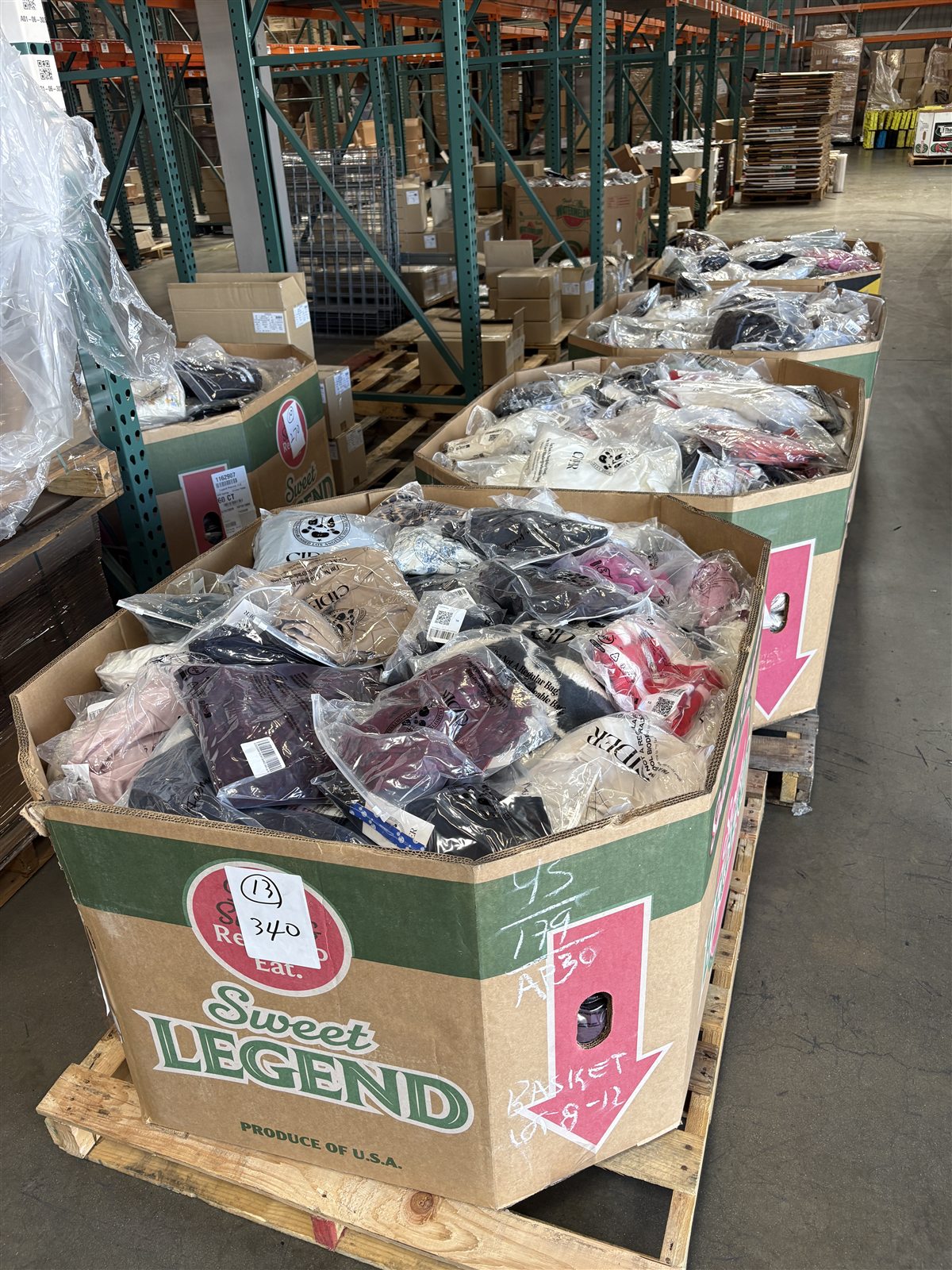
Define the decision before chasing offers
When excess apparel spans several categories or conditions, sellers often ask whether to sell everything together or split it. There is no universal answer. A whole-lot transaction simplifies the exit, while separate lots can let buyers evaluate distinct groups. The right comparison includes handling, collection, remaining stock and internal time. Start by stating the business objective: a warehouse deadline, a clean category exit or an orderly reduction in specific inventory. Without that objective, the highest unit price can distract from the actual clearance problem.
Map meaningful differences
Group the stock by characteristics that change the buyer’s evaluation: category, condition, season, location and resale restrictions. Keep new tagged goods distinguishable from uninspected returns. Separate different warehouse locations in the data even if you intend to offer them together. Do not create dozens of tiny groups simply because the spreadsheet allows it. A useful split corresponds to a real commercial or handling difference. Record the quantity and packing status of each candidate group before deciding whether the separation is practical.
Calculate the work of a split
Ask the warehouse what splitting would require. Goods already on separate pallets are different from mixed cartons that need opening and recounting. Identify labor, staging space, new labels, packaging and the number of collections. Assign responsibility for updating the manifest after every partial release. These are operating inputs, not guaranteed costs, so use your own current estimates and label assumptions. A split that looks attractive in a sales spreadsheet can become difficult if the team has no space to stage it accurately.
Evaluate the remainder before the first sale
Write down what would remain after the most attractive group sells. Check its size mix, condition and physical accessibility. If the first buyer removes the easy-to-place goods, the residual lot may need a different description and a separate outreach effort. That does not make a split wrong, but it should be intentional. Set an owner and a review date for the remainder. Avoid approving a partial sale with no plan for stock that must still leave the building.
Compare offers on the same boundary
A whole-lot offer and a selected-style offer are not directly comparable. Build a simple comparison showing included references, excluded quantities, collection obligations, payment terms and any condition assumptions. Use the same inventory version for each discussion, and disclose when a buyer is considering only part of it. Do not add several tentative estimates together as though they were one executable transaction. Ask whether each offer can actually proceed on its stated scope and what approvals or inspections remain.
Set a clear release rule
Once you choose a structure, freeze the lot definitions and label the corresponding stock. If several buyers are involved, maintain a release log so one carton cannot be promised twice. Keep a change process for substitutions, count differences or withdrawn units. Before confirming the final plan, check the deadline, warehouse capacity, remaining inventory, administrative workload and agreed terms. A sensible lot structure should be understandable to the person picking the cartons, not only to the person negotiating the deal.
Also decide how long the proposed split remains open for evaluation. An indefinite hold on a small selection can prevent a later whole-lot discussion. Record which quantities are reserved, the agreed review point and who can release a hold. Keep tentative interest distinct from a confirmed sale in both the commercial file and the warehouse instructions.
Discuss your stock
For a conversation about your excess apparel, send the category, quantity, condition and warehouse location to John on WhatsApp. Include any handling constraints and a current inventory reference so the next step is grounded in the actual lot.
Turn dead stock into working capital.
Tell us what you have. You get a firm offer within 24 hours.