Footwear Overstock: Check Pairs, Sizes and Boxes Before Making a Lot
A footwear-specific preparation guide covering left-right matching, labeled sizes, box differences and the stock exceptions buyers need to understand.
Nov 02, 2026 · Jenny Parker · 4 min read
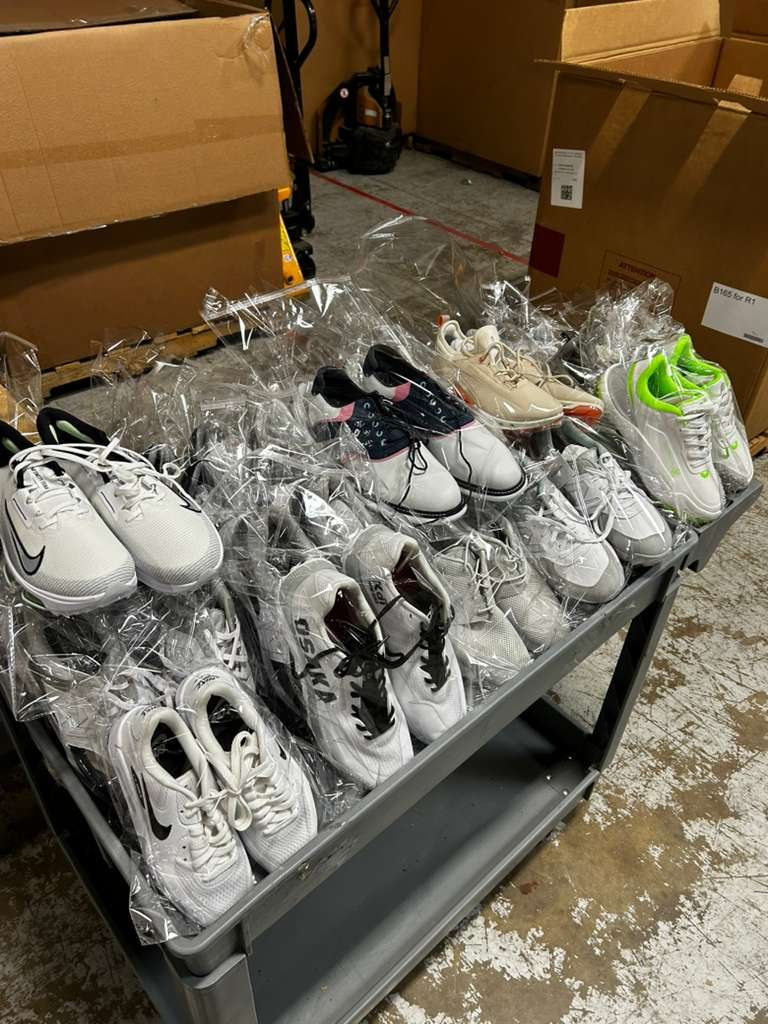
Count saleable pairs, not just individual shoes
A footwear lot can look straightforward until the team discovers that its quantity combines pairs, single shoes and empty boxes. Establish the counting unit before building the offer. Record complete pairs separately from singles or unresolved combinations. If existing warehouse records use units, explain exactly what a unit means. Do not convert an individual-shoe count into a pair count without checking. This first distinction prevents the inventory summary from looking more complete than the stock physically available for release.
Match the product identity within each pair
Use the product identifiers available on the shoes and packaging to compare style, color and labeled size. Keep the left and right shoe together during the check. Look for a mismatch between the contents and the outer box rather than assuming the box is correct. If identifiers are absent or unclear, put the item into an exception group for review. Avoid assembling a pair simply because the two shoes look similar from a distance. A visual resemblance is not a reliable substitute for a confirmed product match.
Keep sizing systems explicit
Record the labeled size and the sizing system shown on the product. Separate men’s, women’s, youth and other product groups as appropriate to the actual inventory. Do not apply a generic size conversion across different brands or styles. If a verified brand size chart is available, provide it as a reference without overwriting the original label data. A buyer should be able to distinguish the observed size from an interpretation. Keep ambiguous size labels visible in the exception file until someone with the relevant product information resolves them.
Describe shoe condition and box condition separately
A damaged retail box does not necessarily describe the shoe inside, and a clean box does not prove that the shoe is unworn. Check the footwear and packaging as separate fields. Record observed marks, missing components, signs of handling or other visible issues using consistent language. Note what was not checked. If the lot contains returns, distinguish inspected returns from unopened returns. Do not characterize an entire shipment from a small selection of clean pairs without disclosing the limits of the inspection.
Build an exception group before packing
Create references for singles, mismatched pairs, missing boxes and other unresolved items. Keep these goods physically traceable so they do not drift back into the complete-pair total during packing. Decide whether they are excluded from the offer or disclosed as a separate component. If the team later resolves an exception, update both the physical location and the inventory file. Repeatedly moving shoes between tables without a log makes an apparently simple sorting project difficult to reconcile and can produce double counting.
Photograph and pack for receiving
Include a representative pair, product labels, the box label and any known exception in the photo pack. Identify which group each image represents. Confirm whether the shipment will remain in retail boxes, be consolidated into larger cartons or use another agreed packing arrangement. Keep pairs together and use carton references that connect to the manifest. If packing changes after the offer, update the description before collection. The receiving team should not need to infer the stock structure from a pile of unreferenced footwear photographs.
Close the preparation with a pair-level reconciliation
Compare complete pairs, exception quantities and excluded goods against the starting warehouse records. Investigate differences instead of forcing the final total to match an old report. Freeze the inventory version used for the offer and record the date. Your final summary should state category, brands where applicable, size profile, condition scope, box profile and location. The strongest presentation is not the one with the fewest exceptions. It is the one that lets a buyer understand exactly which footwear can be evaluated and released.
Discuss your available stock
To discuss excess fashion inventory, send a current category and quantity summary, the condition scope and warehouse location to John on WhatsApp. Include the relevant exceptions or approved requirements so the conversation starts with the actual lot rather than an assumption.
Turn dead stock into working capital.
Tell us what you have. You get a firm offer within 24 hours.